When to Get an Oral Cancer Screening During Your Routine Dental Checkup
Understanding the Purpose of Oral Cancer Screenings
An oral cancer screening is a preventive evaluation that helps identify early signs of abnormal tissue changes in your mouth, lips, tongue, throat, and surrounding areas. During a routine dental checkup, this screening is often quick and noninvasive, yet it plays a meaningful role in protecting your long-term oral and overall health. You may not notice subtle changes on your own, especially if there is no pain or discomfort, which is why having a trained dental professional examine these areas matters. By including an oral cancer screening during your regular dental visit, you add an extra layer of awareness that supports early detection and timely care. Knowing when these screenings are most beneficial allows you to be proactive rather than reactive about your health.
Why Timing Matters During Regular Dental Visits
Routine dental checkups provide an ideal opportunity for oral cancer screenings because they occur on a consistent schedule. When you see your dentist every six months, you can compare changes in your oral tissues over time, making it easier to spot anything unusual. Timing matters because oral cancer often develops quietly, without clear warning signs in its early stages. You might feel perfectly fine while small lesions or discolorations begin to form. Including a screening during your regular appointment means you do not need to schedule a separate visit or wait until symptoms appear. This approach keeps prevention simple, efficient, and aligned with the care you already receive for cleanings, exams, and overall oral maintenance.
Signs and Risk Factors That May Prompt Earlier Screening
While routine screenings are valuable for everyone, certain signs or risk factors may signal the need for closer attention. If you notice persistent sores, lumps, red or white patches, difficulty swallowing, or unexplained numbness in the mouth, it is important to mention these concerns during your dental visit. Lifestyle factors such as tobacco use, frequent alcohol consumption, prolonged sun exposure affecting the lips, or a history of HPV can also increase risk. Age can play a role as well, as oral cancer is more commonly diagnosed in adults over forty. If any of these factors apply to you, discussing them with your dentist can help determine whether screenings should be performed more frequently or with greater emphasis during your checkups.
What to Expect During an Oral Cancer Screening
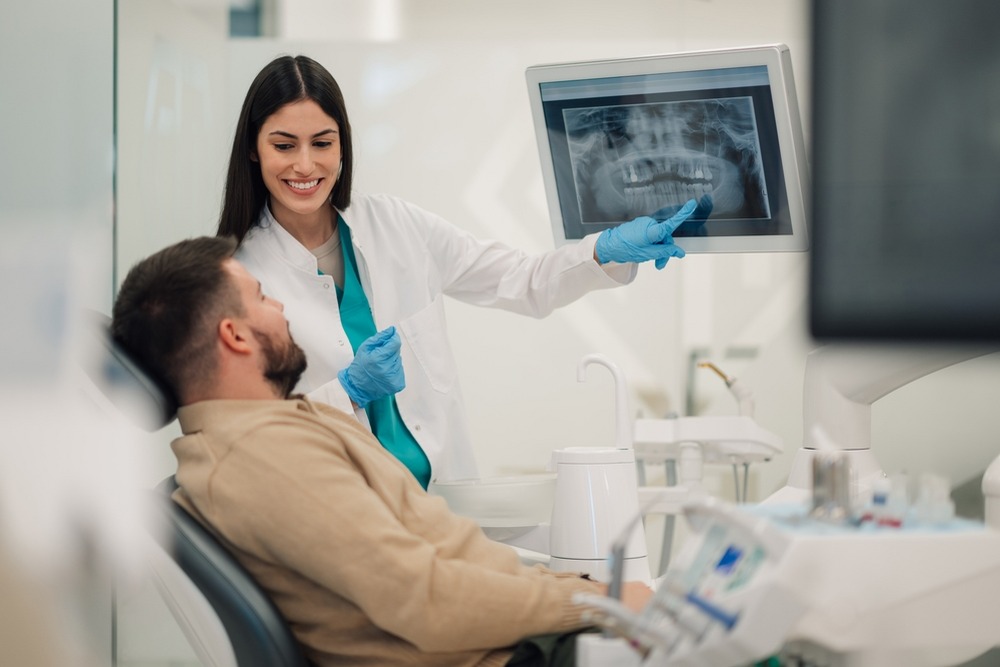
Knowing what happens during an oral cancer screening can help you feel more comfortable and prepared. During the exam, your dentist visually inspects your mouth, lips, and throat for discoloration, swelling, or irregular textures. Gentle palpation may be used to feel for lumps or firmness in the jaw, neck, and surrounding tissues. Some practices may also use specialized tools or lights to highlight abnormal cells that are not easily visible to the naked eye. The process is typically brief and painless, blending seamlessly into your regular dental exam. By understanding what to expect, you can approach each visit with confidence, knowing that this simple step supports early awareness and peace of mind.
Making Oral Cancer Screening Part of Your Ongoing Care
Including oral cancer screenings in your routine dental care reinforces a preventive mindset that benefits your overall well-being. These screenings are not only about identifying serious conditions early but also about creating open communication between you and your dental team. When you feel informed and involved, you are more likely to share concerns, ask questions, and stay consistent with checkups. At Carmichael DDS, your care focuses on maintaining the health and appearance of your smile while prioritizing comfort at every visit. Schedule a consultation with our team today, and you will be guided through each step to ensure attentive, high-quality care. Call (858) 330-2678 or complete our online form to take the next step toward better dental health.