How to Know If a Toothache Needs a Root Canal or Emergency Dental Visit
Understanding What Your Toothache Is Telling You
When a toothache hits, it’s hard to know whether it’s something minor or a sign of a more serious problem. You might feel a dull, lingering ache, sharp pain when you bite down, or sensitivity that won’t fade. These symptoms are your body’s way of telling you that something isn’t right inside your tooth or surrounding tissue. A mild ache that comes and goes could be due to irritation, grinding, or early decay, while pain that worsens or becomes more constant often indicates more serious damage. Paying attention to how long the pain lasts, what triggers it, and whether it’s getting worse helps you understand the urgency of the situation. When you listen to these signals instead of ignoring them, you put yourself in a better position to protect your tooth and avoid bigger complications.
Signs a Root Canal May Be Needed
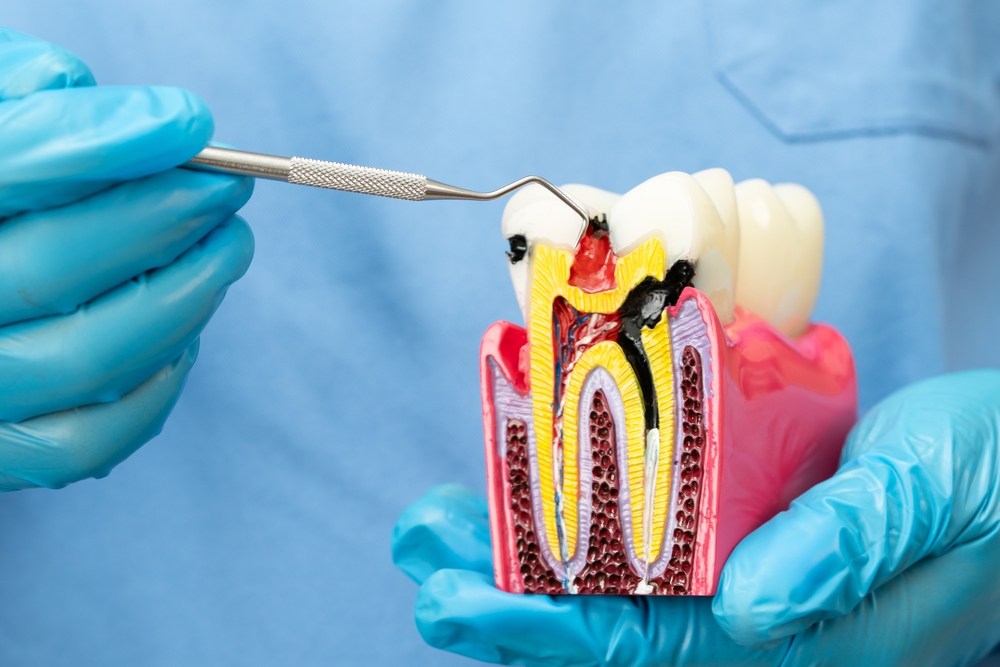
A root canal is often recommended when the inner pulp of your tooth becomes inflamed or infected. You may notice persistent pain that doesn’t improve with time, especially if it throbs or radiates to your jaw, ear, or face. Sensitivity to hot or cold that lingers long after the temperature has returned to normal is another common warning sign. You might also see swelling near the affected tooth or feel tenderness when chewing. These symptoms suggest that the nerve inside the tooth is involved, and without treatment, the infection can spread. A root canal removes the damaged pulp, relieves pain, and allows you to keep your natural tooth. Recognizing these signs early can make the procedure more straightforward and help you avoid losing the tooth altogether.
When a Toothache Becomes a Dental Emergency
Some toothaches require immediate attention rather than waiting for a routine appointment. Severe pain that appears suddenly, facial swelling, bleeding, or signs of infection, such as fever, can indicate an urgent dental issue. Trauma from an accident, a cracked tooth, or a tooth that feels loose should also be treated as an emergency. These situations can worsen quickly and may affect more than just your tooth if left untreated. An emergency dental visit focuses on stabilizing the problem, relieving pain, and preventing further damage. Knowing when your symptoms cross the line from uncomfortable to urgent helps you make timely decisions that protect both your oral health and overall well-being.
How Timing Affects Treatment Options
The timing of your dental visit plays a big role in determining whether you need a root canal, an emergency procedure, or a simpler treatment. Early intervention often means less invasive care and faster relief. For example, catching decay before it reaches the nerve may allow for a filling instead of a root canal. On the other hand, waiting too long can lead to infection, swelling, and more complex treatment. By acting promptly when you notice unusual pain or changes in your tooth, you give yourself more options and better outcomes. Understanding that toothaches rarely resolve on their own helps you prioritize care instead of hoping the pain will fade.
Getting the Right Care at the Right Time
Knowing whether your toothache needs a root canal or an emergency visit comes down to listening to your symptoms and responding quickly. Pain, swelling, sensitivity, and changes in how your tooth feels are all signs that deserve professional attention. At Carmichael DDS, your care is focused on restoring both the function and appearance of your smile while keeping your comfort a top priority. You’re guided through every step with clear explanations, so you understand your options and feel confident in your treatment plan. If you’re dealing with a toothache and aren’t sure what it means, schedule a consultation today. Call (858) 330-2678 or complete the online form to get started on your path toward better dental health.